
Advocating for Architecture: AIA Leadership Summit 2026
Written by Paul G Sieben, FAIA Emeritus, Vice President AIA Toledo
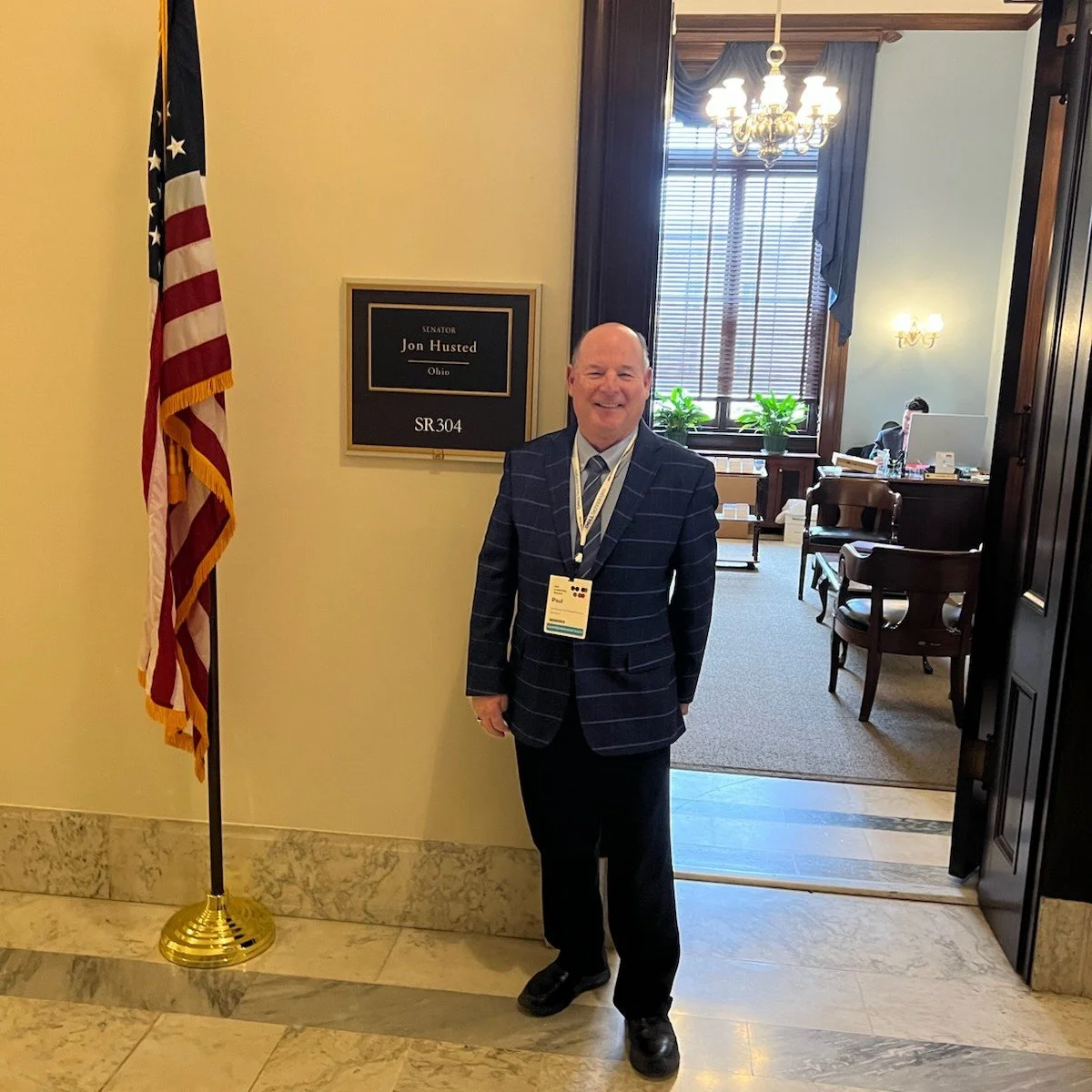
AIA Toledo Vice President Paul Sieben on Capitol Hill
I had the honor of representing AIA Toledo at the AIA Leadership Summit, held in Washington, DC, from February 11 to February 14, 2026. The summit brought together chapter leaders from across the country for advocacy training, leadership development, and national dialogue on the future of the profession.
The summit began with a four-hour preparation session focused on advocacy and readiness for Thursday’s congressional visits. AIA national staff provided in-depth briefings on the four primary 2026 Hill Day issues:
179D High-Performance Building Tax Credit
AIA supports tax policies that advance energy efficiency, including the 179D Energy Efficient Building Credit which if not extended will expire June 2026.Housing Legislation
AIA supports housing solutions included in the Housing for the 21st Century Act and the ROAD to Housing Act.Design Freedom
AIA strongly supports design freedom and the guiding principles for federal architecture that have been in place since 1962 and opposes demolition, renovation or construction of buildings without public input in the process.Professional Degree Recognition and Student Loan Caps
AIA strongly supports the inclusion of M ARCH & D ARCH to the list of professional degree programs and to increase loan caps to the cost of education.
On February 12, the Ohio delegation met with congressional offices, including:
Senator John Husted
Senator Bernie Moreno
Representative Joyce Beatty
Representative Marcy Kaptur
Representative Mike Carey
We were able to meet briefly in person with Senator Bernie Moreno, while the remaining visits were conducted with staff members. Advocacy packets were left with each office. Members interested in reviewing this material may request a copy from the AIA Toledo chapter.
On Friday we heard presentations from candidates for national AIA office, offering insight into leadership priorities and the future direction of the organization. The day also included a keynote presentation by futurist April Rinne on developing a “flux mindset,” focused on adaptability and leadership in times of change.
During the summit, AIA also presented its national Strategic Plan for 2026–2030, organized around four core themes:
Activate Practice Success
Strengthen Our Voice
Elevate Community Resilience
Advance an Accessible Profession
In addition to the core programming, attendees could participate in elective sessions. I attended programs focused on mentorship and leadership development, both of which offered valuable perspectives applicable at the local chapter level.
Overall, the Leadership Summit was an enlightening and worthwhile experience. I strongly encourage future chapter leaders to consider attending, as it provides meaningful insight into advocacy, national initiatives, and the evolving role of the architectural profession.
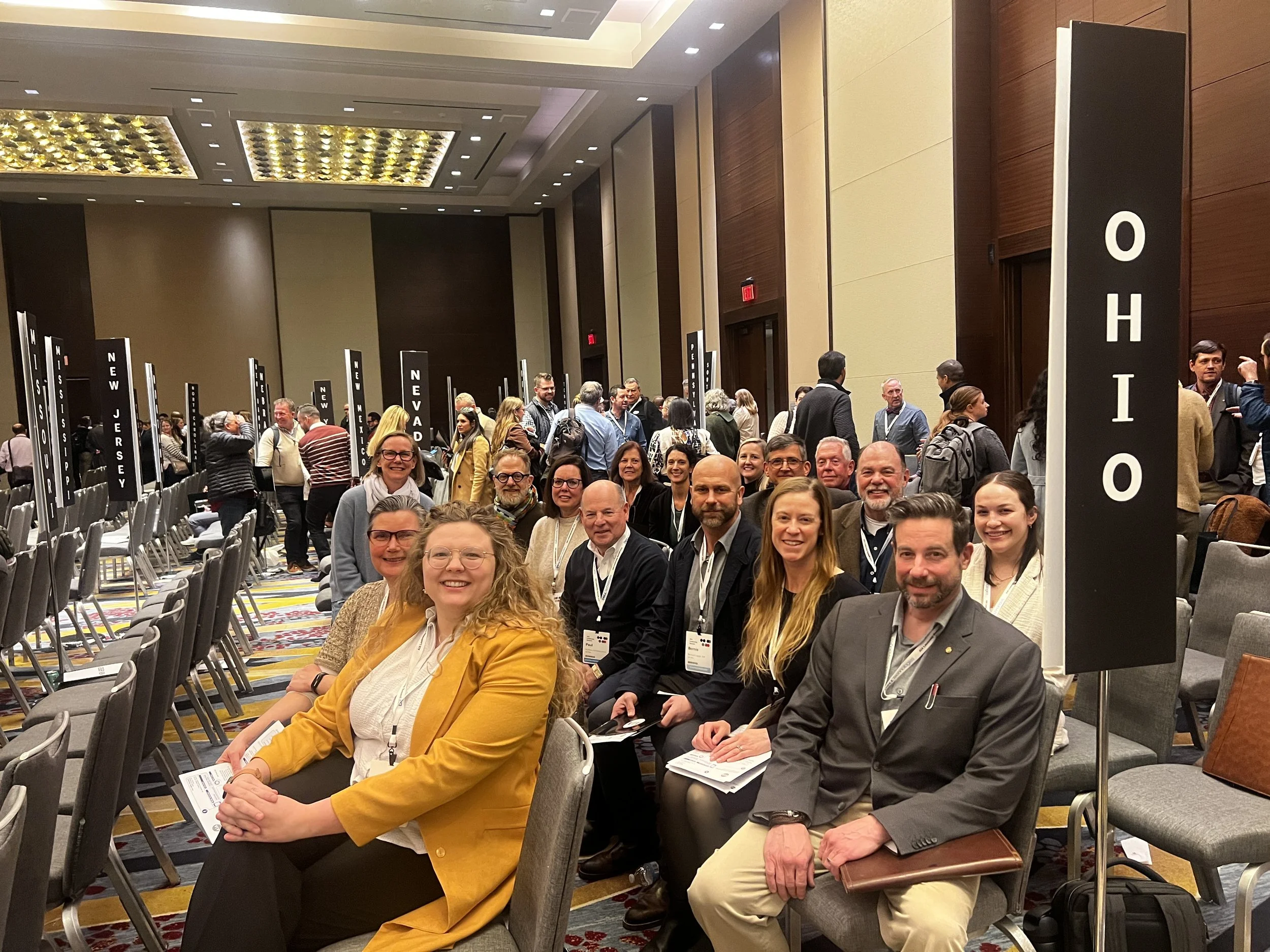
AIA Ohio Delegation preparing for Hill Day