
Strengthening the Profession Through Legislative Engagement
Written by Erin Curley, AIA & Robert Siebenaller, AIA
Architects’ impact extends far beyond the job site, and Advocacy Day makes that impossible to ignore.
On June 3, AIA Toledo members Erin Curley, AIA and Robert Siebenaller, AIA joined architects from across Ohio, in Columbus, for AIA Ohio’s annual Advocacy Day. The day pulled them out of their daily routines and into direct conversations with legislators about the issues shaping our profession and the communities we serve. Our goal was about showing up, listening, and building relationships.
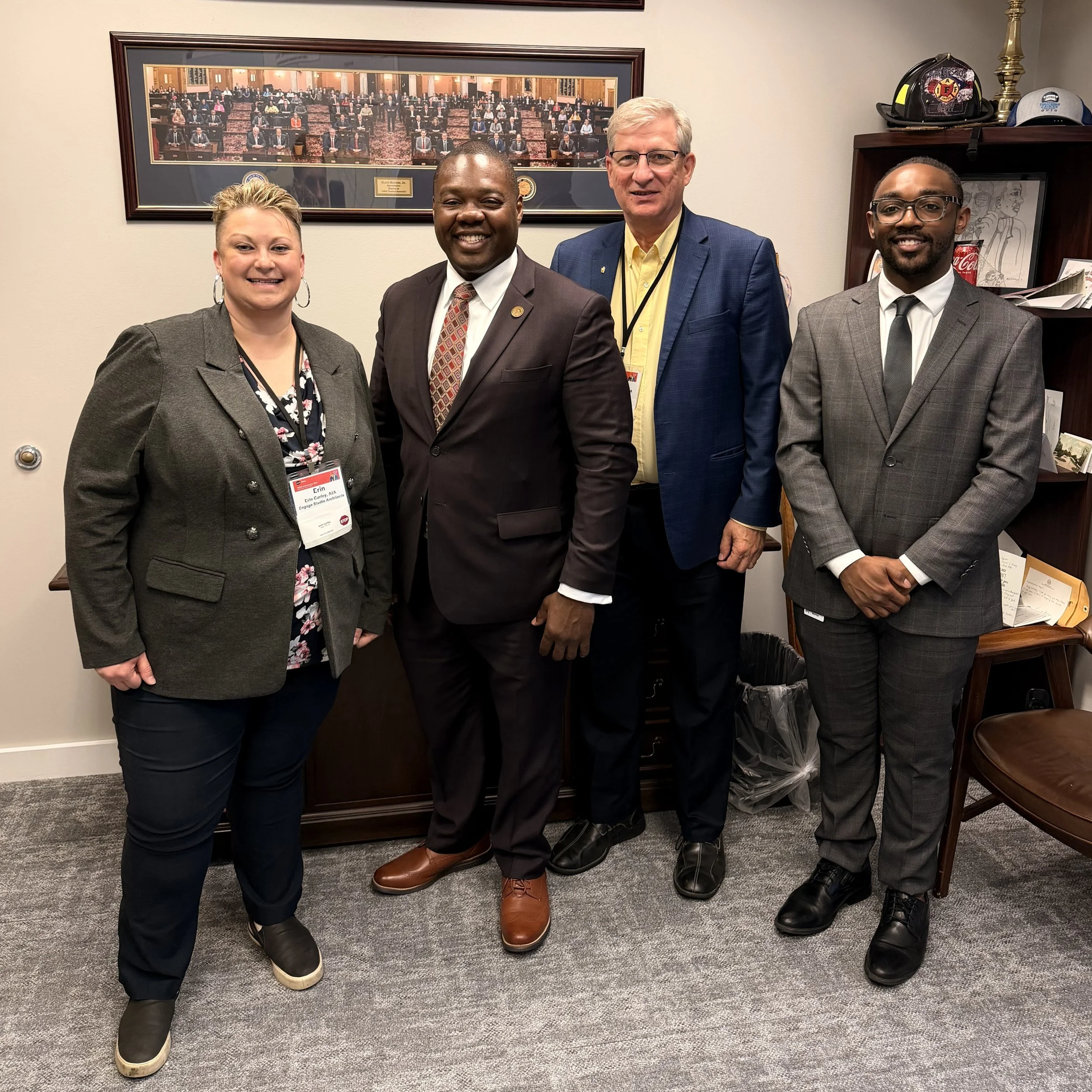
AIA Toledo members met with Representative Elgin Rogers (District 42)
The day began with remarks from Mike Dittoe, Chief of Staff for the Ohio House of Representatives, followed by a panel discussion on grassroots advocacy featuring Representatives Bride Sweeney and Brian Lorenz. Despite coming from different backgrounds, the message from state leadership was clear: engagement matters.
Legislators rely on professionals to help them understand complex issues, and meaningful change happens through ongoing dialogue, not one-time conversations. We focused on making new contacts, building on existing relationships and connecting our work to the issues they’re already thinking about.
The legislative priorities we discussed provided a strong foundation for those conversations. Senate Bill 262 addresses contract transparency by requiring any changes to standard construction agreements to be clearly identified. While technical on the surface, this is about something much bigger, clarity, fairness, and trust across project teams. When expectations are clearly defined upfront, projects run more smoothly, disputes are reduced, and everyone, owners, contractors, and architects, can focus on delivering quality outcomes.
Substitute House Bill 361 looks at zoning, plan review, and inspection processes, including the use of third-party reviewers. The goal is to improve efficiency, but the real opportunity is in doing that without compromising safety. From our perspective, that means ensuring that anyone performing reviews or inspections is properly trained and certified, creating a more consistent, reliable process that ultimately protects the public while helping projects move forward more predictably.
What made these discussions especially valuable was the ability to move beyond policy summaries and talk about our roles as architects in the communities that these legislators represent. We found ourselves describing how contract clarity affects the way we guide clients and coordinate teams, or how gaps in the review process can create delays, confusion, and unnecessary cost. These aren’t abstract issues, they are everyday challenges that shape the success or failure of projects, and often the projects that legislators are bringing home.
Just as important, we used these conversations to reinforce a broader point: architects are a resource. Whether it’s helping a community think through development opportunities, guiding a small business owner before they sign a lease, or navigating the layers of code, permitting, and construction, our role often starts long before drawings are produced. All the offices we visited learned the benefit that an architect brings early in a project, in Pre-design, developing assessments, feasibility studies and similar services that legislatures need when a constituent says, “I have an idea.” The value of licensed architects makes a difference!
That message carried into our meetings at the Statehouse. Sitting down with legislators, including Representative Elgin Rogers and members of Senator Theresa Gavarone’s office, the conversations felt less like presentations and more like working sessions. There was genuine interest in how our profession contributes to economic development, community planning, and problem-solving at both small and large scales. In one moment, the conversation even turned personal, discussing a family member considering a future in architecture and reminding us that these interactions are as much about people as they are about policy.
One of the most encouraging takeaways was the level of alignment. Legislators may not always know the specifics of what we do, but there is a clear recognition that architects play a critical role in shaping communities. Our job is to continue bridging that gap by connecting our expertise to the decisions being made and making it easy for them to see us as partners in that work.
By the end of the day, one idea stood out above all:
Policy matters but relationships are what make advocacy work.
Advocacy isn’t about showing up once a year with a list of priorities. It’s about building trust over time, offering insight when it’s needed, and staying engaged in the conversations that shape our profession. Advocacy Day was a powerful reminder that when we do that, we’re not just reacting to policy—we’re helping shape it.
We left Columbus energized, not only by the issues discussed, but by the opportunity ahead. As architects, we have a unique perspective and a responsibility to share it. When we choose to step into these conversations, we are not only advocating for our profession, we’re helping create better outcomes for the communities we serve.
To learn more about Advocacy Day and to help continue progress for our profession, please visit and donate to the Ohio PAC.
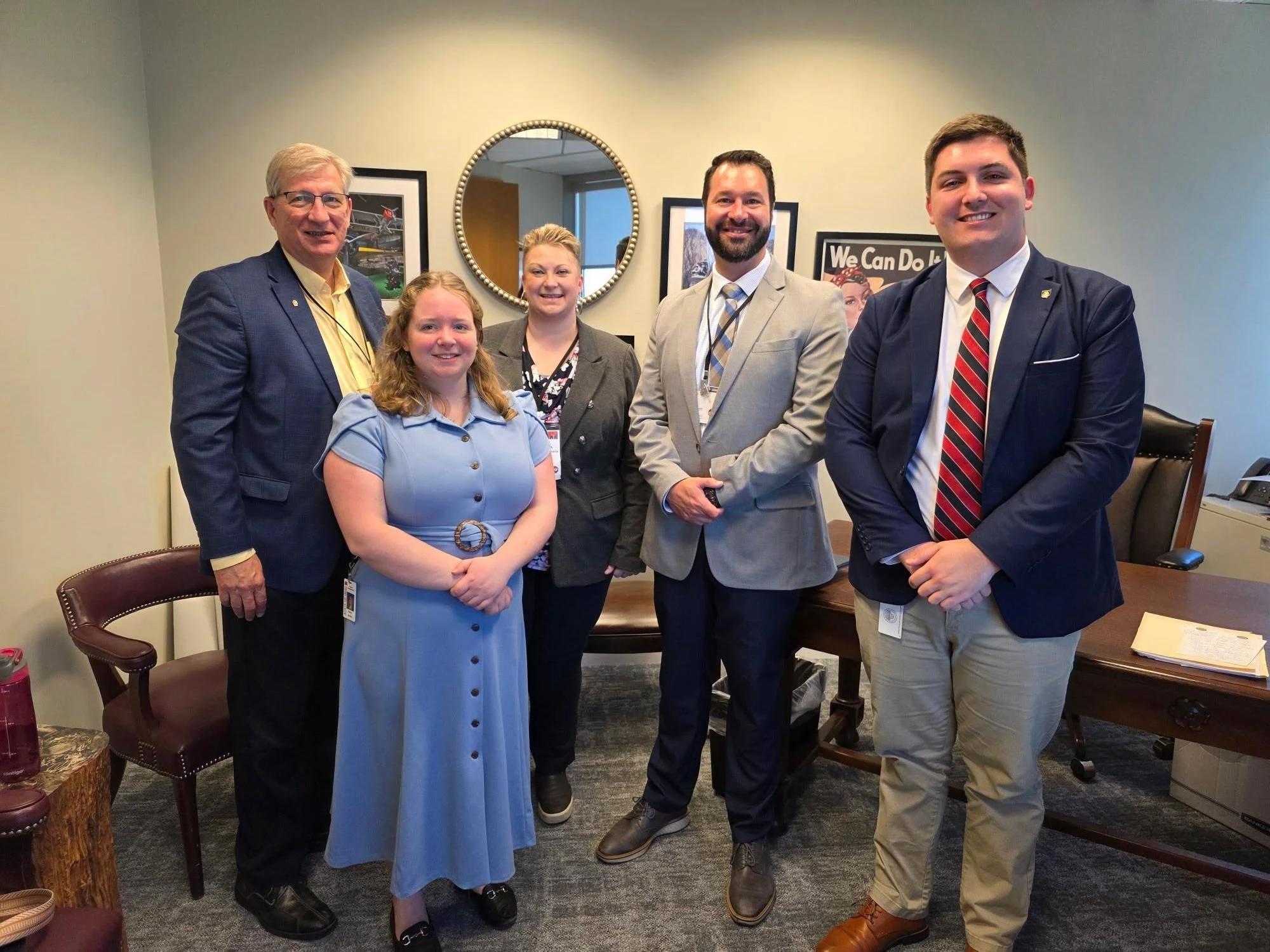
AIA Toledo members met with Representative Andrea White’s office (District 36)
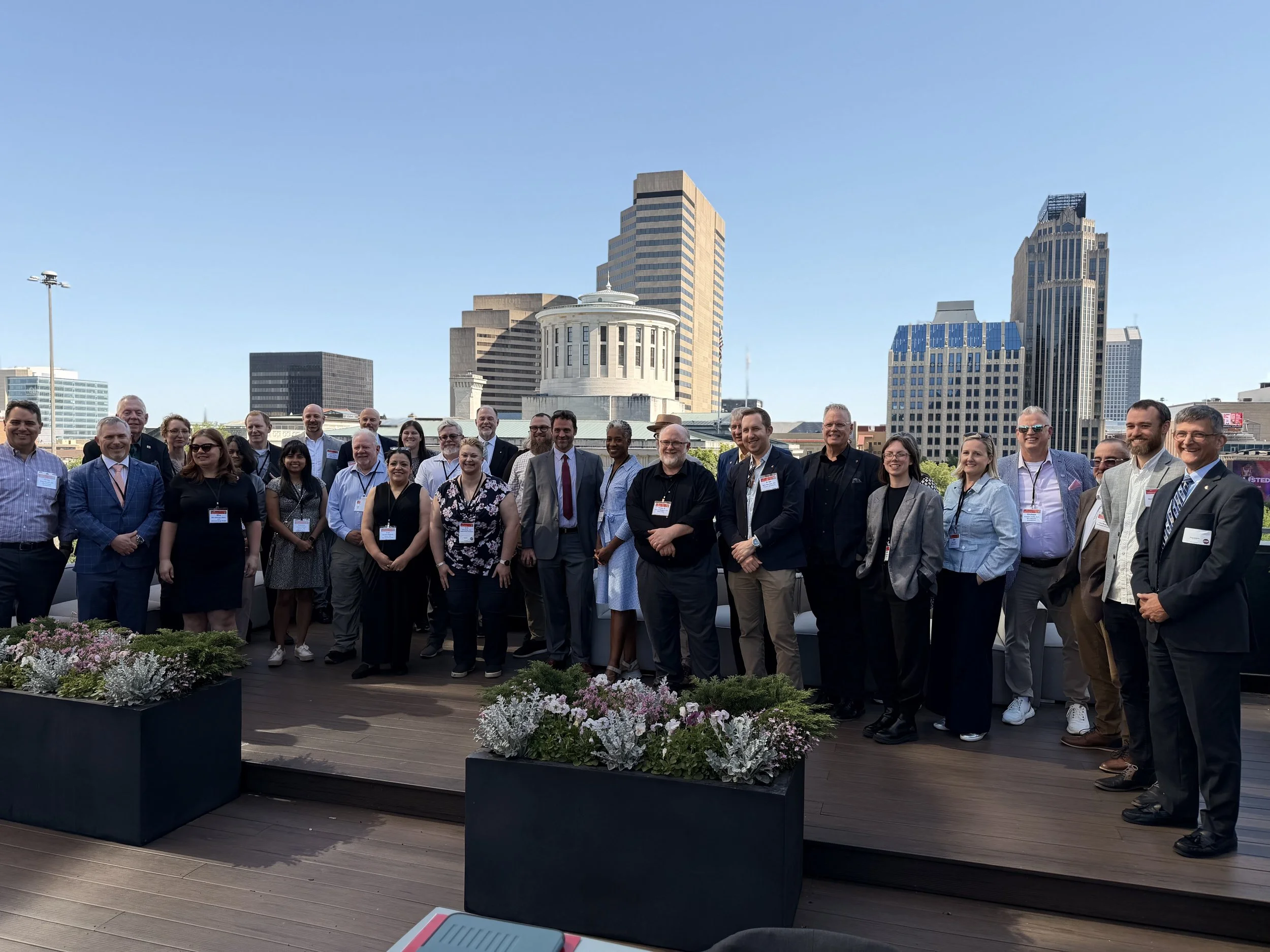
AIA Ohio Architects at Advocacy Day 2026